Load, height, and offset
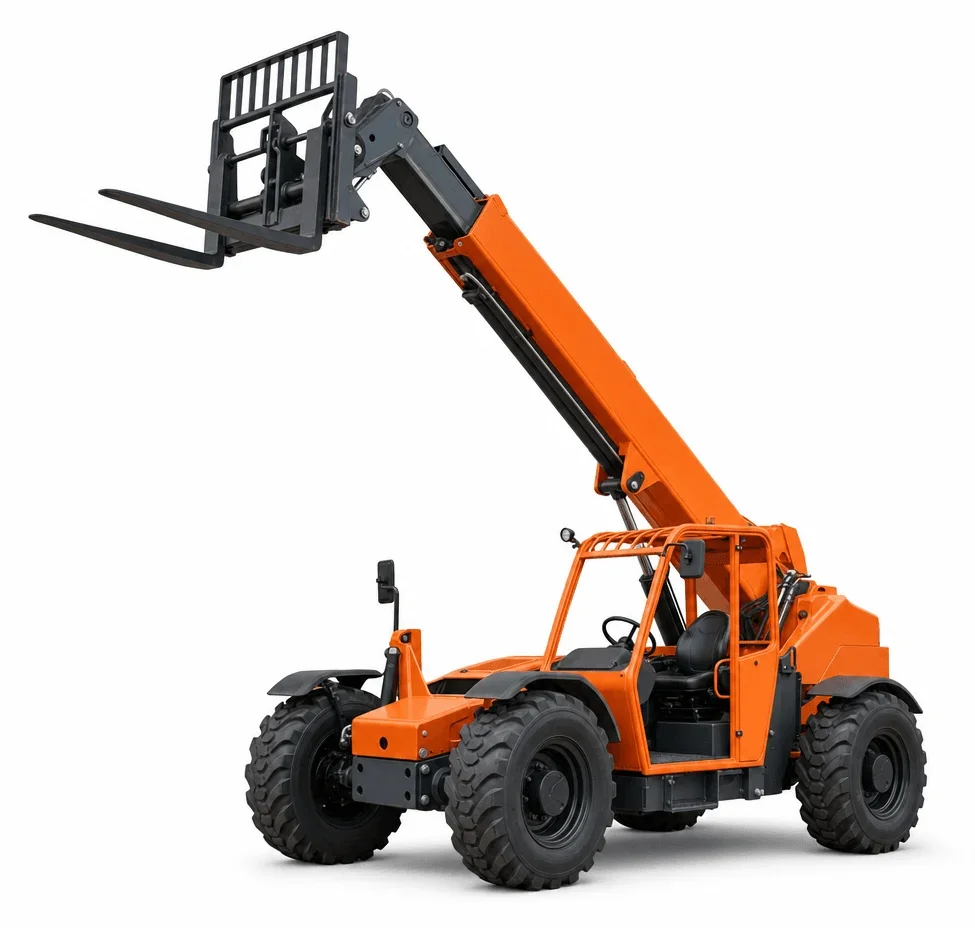
Telehandlers move pallets, pipe, glazing crates, and mechanical units where cranes are impractical. Define:
- Maximum load weight at ground and at the furthest placement point
- Required lift height to set onto decks or through openings
- Horizontal offset from the building line or landing point
Capacity charts vary significantly with boom extension. If you must place loads over setbacks or landscaping, confirm the required reach and how it reduces rated capacity at distance.
Riverside terrain and access
Industrial pads around Riverside tend to be open and navigable, while perimeter zones and utility corridors can be uneven or rocky. Ground clearance, tire type, and wheelbase affect stability and turning on those edges. Actual ground conditions, the selected unit’s instructions, and site procedures govern where a machine can travel and stage.
Attachments and job sequencing context
The handling plan changes with job sequencing. For repetitive pallet work at dock height, shorter wheelbases improve maneuvering. For setting mechanical units on elevated platforms, longer boom reach matters more. Identify gate widths, staging space, and traffic flows so the handler can operate without blocking critical paths.
Power and climate considerations
Extended shuttling in high summer heat puts steady demand on cooling systems. Confirm fueling or charging logistics that match shift length and site rules. For enclosed or emissions-sensitive work zones, plan for ventilation constraints and engine alternatives where applicable.
Related options
- For person-borne elevation to install or inspect, see /boom-lift-rental/
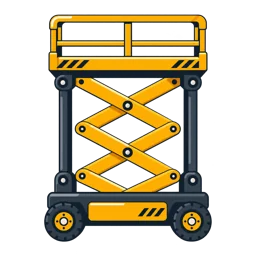
- For vertical platform work on slabs, see /electric-scissor-lift-rental/
- For storage near the set area, consider /storage-containers-rental/