Start with the placement geometry
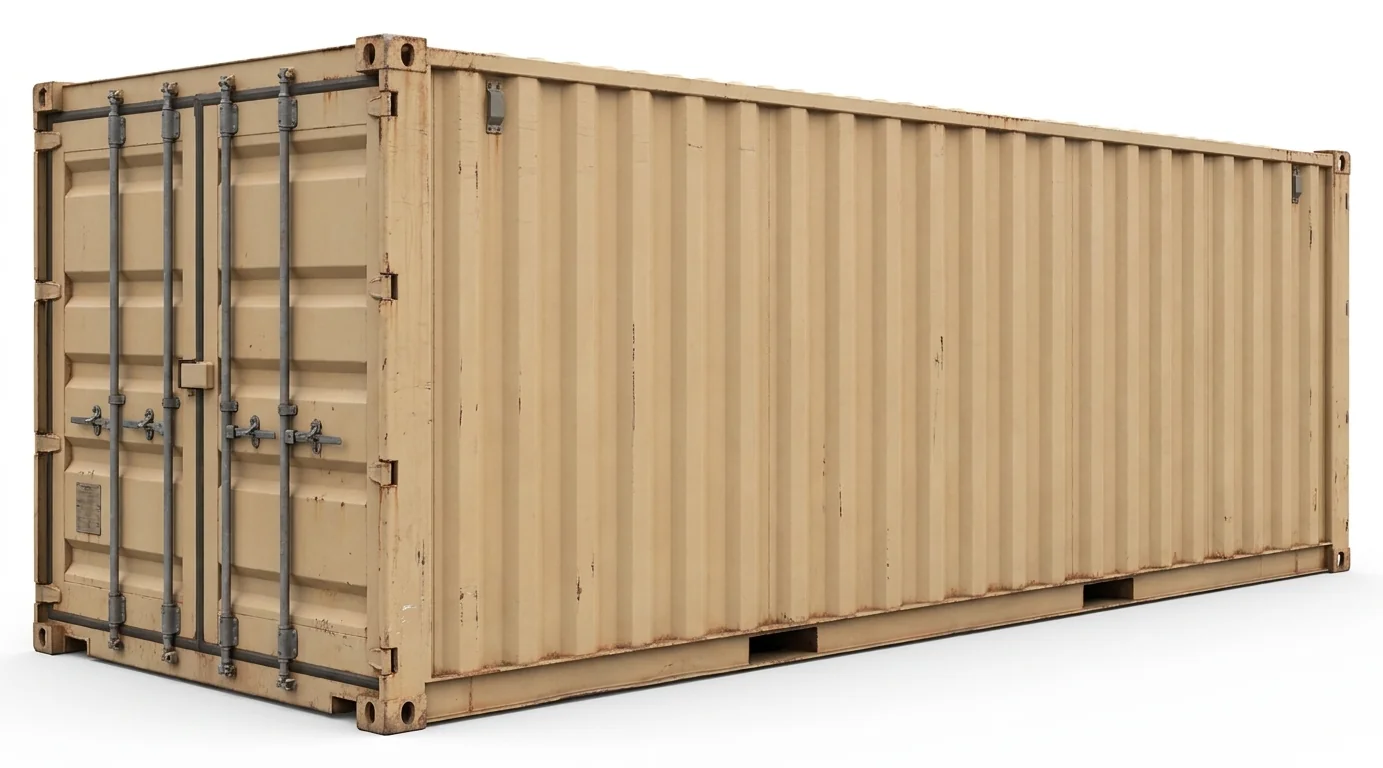
- Where does the container sit relative to the work zone? Door-on-dock saves handling time; yard placements need wider forklift aisles and turning space.
- Can the container sit on a level slab, or does the site transition to compacted base or rocky shoulders? Uneven ground can twist doors and complicate loading.
- Is overhead clearance limited by canopies or low utility lines along the delivery route? Check the entire path, not just the final pad.
How the regional climate affects containers
- Heat: Prolonged sun exposure raises interior temps. Sensitive materials may need shaded placement, vented units, or shorter dwell times.
- Dust and wind can enter when doors face prevailing exposure in open lots. Positioning and simple weather barriers reduce intrusion.
Access for material handling
- Forklifts: Verify approach width, turning radius, and ramp transitions from slab to yard. If aisleways are tight, consider a shorter container length.
- Pallet jacks: Threshold height and door sill condition matter on interior placements.
- Aerial work support: When containers stage parts for elevated maintenance, coordinate with /electric-scissor-lift-rental/ for interior slab lifts or /rough-terrain-scissor-lift-rental/ for exterior approaches.
Security and adjacency near historic areas
- Some preservation sites limit visual clutter and nighttime noise. Low-profile placements and daytime access windows are common.
- Keep a clear buffer from delicate masonry; avoid placements that channel runoff toward foundations.
Delivery and removal considerations
- Truck access through yard gates and around parked trailers.
- Ground bearing where landing gear contacts softer soils.
- Temporary fencing tie-ins if the container forms part of a perimeter; see /temporary-fencing-barricades-rental/.
For jobs combining storage with powered tools or lighting, coordinate container siting with /generators-light-towers-rental/ to manage cable routes and security.