Warehouse geometry and capacity
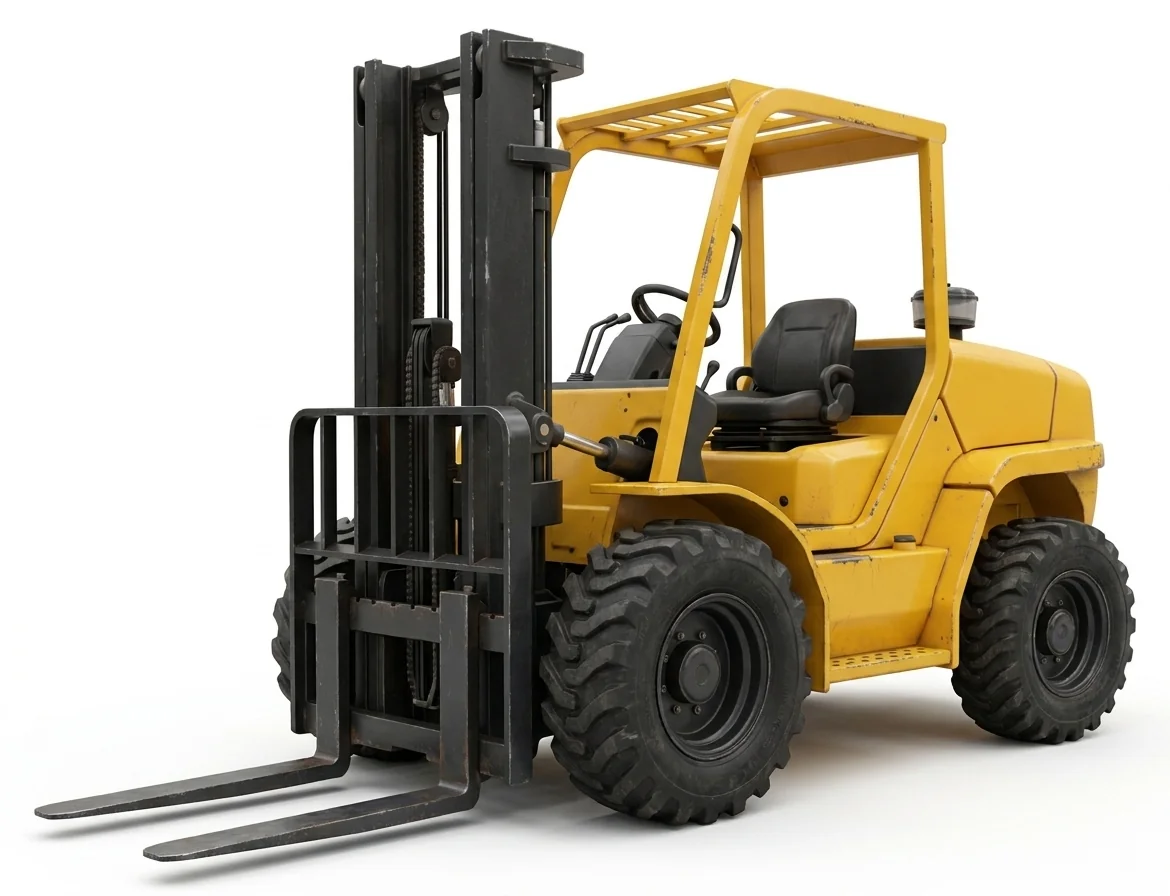
In local distribution buildings, capacity and mast height determine whether a unit can lift to the top bay while maintaining stability. Counterbalance forklifts handle dock and floor work; narrow-aisle or reach designs fit tighter rack layouts. Know:
- Maximum lift height and free lift needs
- Aisle width and turning radius limits
- Load center requirements for your typical pallets
If frequent exterior travel or rougher yards are involved, rough-terrain options change the comparison.
Power source and the regional climate
Electric forklifts excel on slabs and in enclosed areas, reducing emissions and noise. The regional heat can influence battery performance windows and charging schedules, especially with long shifts. Internal combustion units suit mixed indoor/outdoor tasks if ventilation rules and emissions sensitivities are addressed by site procedures.
Thresholds, ramps, and docks
Dock plates, yard seams, and slight grade changes affect stability and ground clearance. Measure ramp angles, door heights, and any bollards or guardrails that constrain turns between staging and storage. For confined receiving areas, shorter wheelbases reduce multi-point maneuvers.
Related options
- For elevated person access to pick or install, see /vertical-mast-lift-rental/
- For rougher outdoor handling and placement, see /telehandler-rental/
- For temporary site storage, see /storage-containers-rental/