Articulating vs. telescopic: decide by geometry
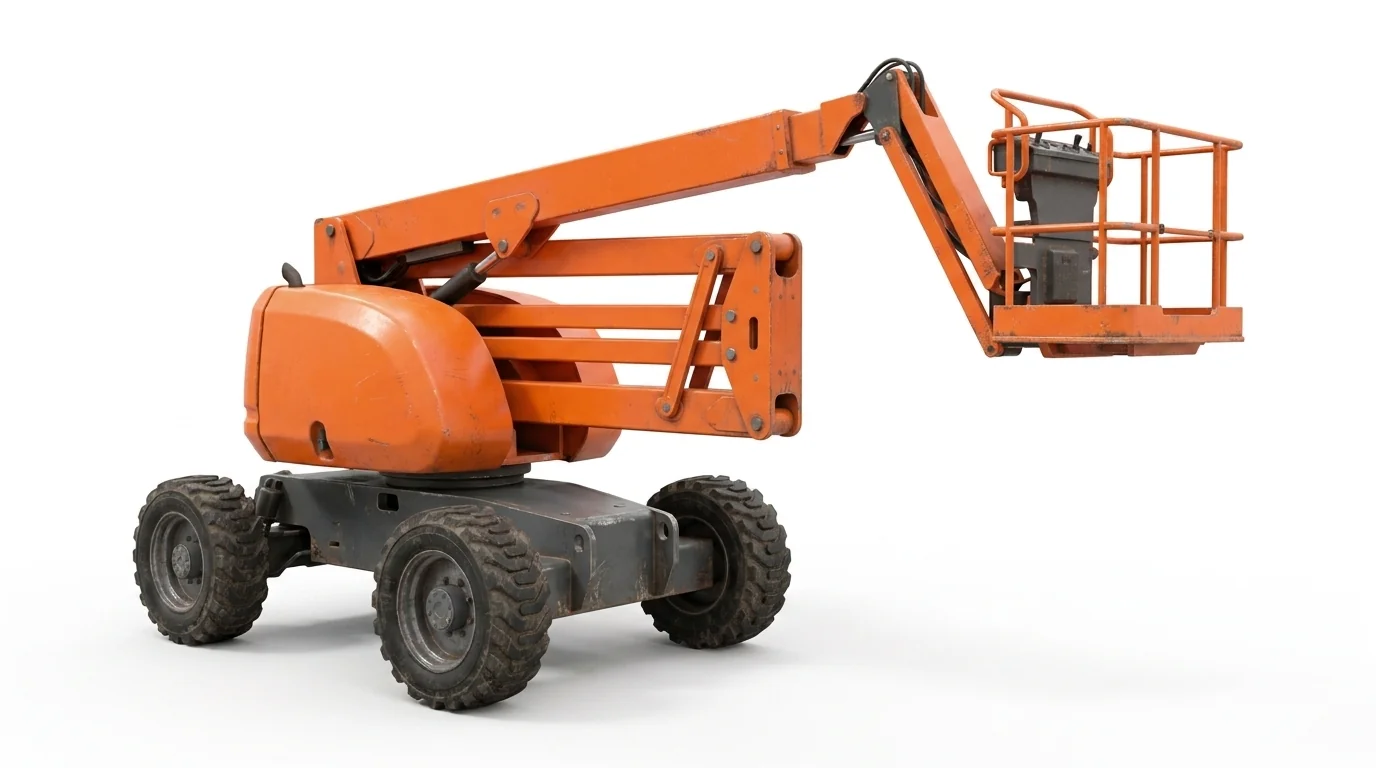
- Articulating booms: Multiple joints reach up-and-over signage, parapets, and tree canopies. They work well when positioning space is tight or the facade steps in and out.
- Telescopic booms: Straight sections deliver long horizontal reach to lighting poles, tall walls, or roof edges where there’s room for a stable base farther back.
Surface and access checks
- Approach slopes, gate widths, and curb transitions limit what can enter the site.
- Hardscape and delicate masonry areas may require careful standoff distances. Weight, tire type, and swing radius affect where the base can sit.
Riverside-specific considerations
- Preservation-oriented work calls for precise placement without touching fragile surfaces; articulation helps set the basket where a straight stick cannot.
- Edge-of-lot work along rocky ground or unfinished pads may require rough-terrain configurations and careful planning around grades.
- Heat can influence hydraulic response and electric or hybrid runtime; staging and scheduling windows help manage performance.
When a scissor is simpler
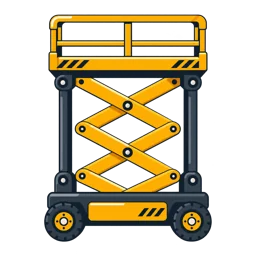
If the work is straight overhead with clear slab access, a scissor lift can be faster and smaller. Compare categories at /aerial-lift-rental/ or /electric-scissor-lift-rental/ for interior tasks, and /rough-terrain-scissor-lift-rental/ for slab-adjacent exterior work.
Common Riverside applications
- Signage and canopy maintenance along busy commercial corridors with limited staging
- Up-and-over access for building envelope inspections near older masonry
- Long-reach tasks such as pole lighting where the base must remain back from landscaping
Actual conditions, the selected unit’s instructions, and site procedures govern elevated work.