Define the power or light geometry first
- Can the generator or tower sit below the task area, or must it live outside on a pad? Longer cable runs mean larger conductors and higher output headroom.
- What is the light target: general site illumination or task lighting along a facade or loading line? Narrow tasks can use fewer, higher towers; broad yards need more fixtures with wider beam spread.
- How many circuits or loads start at once? Motors and compressors in local distribution buildings spike on startup.
How Riverside conditions change the plan
- Heat: The regional climate pushes battery and engine temps. Expect heat soak on outdoor towers during long summer evenings; plan shade or spacing in staging areas.
- Surface: Valley floors are usually firm and slab-ready indoors, but exterior approaches can shift to decomposed granite or rocky shoulders near landmarks. Towable units and light towers may need rough-terrain tires and wider turn clearances.
- Air quality and noise expectations vary near historic districts. Quiet-package generators and careful tower aiming help reduce spill light and sound toward sensitive facades.
Generator selection checkpoints
- Total kW and surge: List continuous draw plus starting loads for dock equipment, small welders, or temporary HVAC.
- Voltage and phase: Match building tie-in or standalone distribution panels.
- Runtime and refuel access: Identify the refuel route and whether a fuel truck can reach the pad without crossing pedestrian lanes.
- Cable routing: Note door thresholds, dock plates, and any historic masonry where penetrations are restricted.
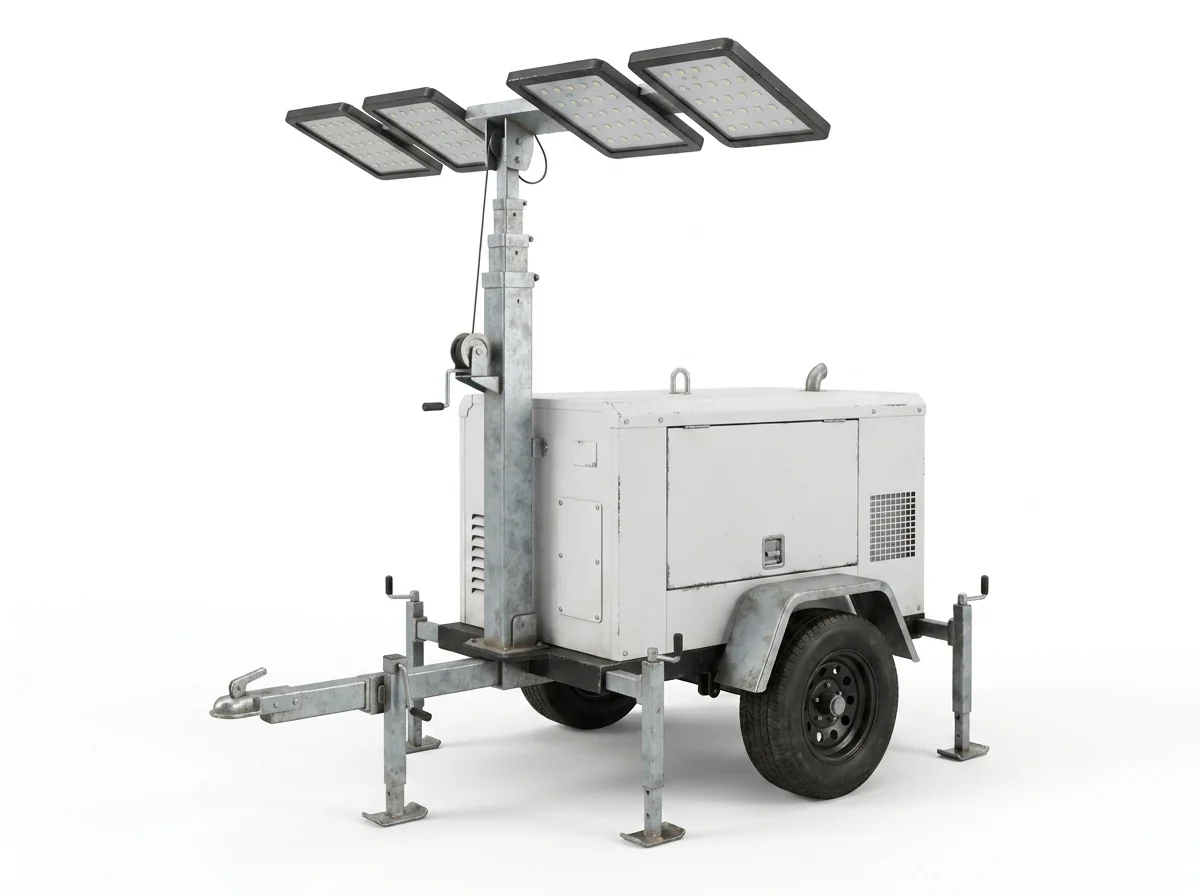
Light tower selection checkpoints
- Mast height vs. shadow lines: High-bay interiors may not need towers if existing fixtures can be supplemented from the floor; exteriors often need taller masts to clear trailers and racking.
- Beam control: Use fixtures with tighter aiming when working near protected architecture to avoid light spill on delicate finishes.
- Power source: Determine if towers run off onboard gensets or a central generator via daisy-chained circuits.
Access and movement
- Tow vehicle class and turning radius along site lanes.
- Grade breaks at curbs, dock ramps, and yard gates.
- Overnight security and fencing plans; coordinate with /temporary-fencing-barricades-rental/ if towers define lit perimeters.
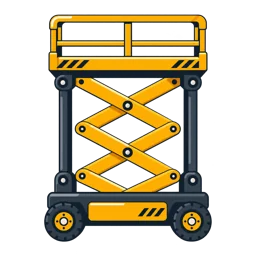
For elevated maintenance that also needs temporary power or lighting, review /electric-scissor-lift-rental/ for slab work and /rough-terrain-scissor-lift-rental/ for mixed surfaces. For facade access strategy, see /aerial-lift-rental/ and /boom-lift-rental/.