Define the reach problem
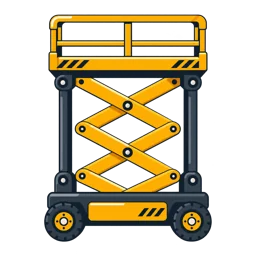
- Straight overhead with slab access: Scissor lifts are efficient when the machine can sit under the target and travel aisles or corridors.
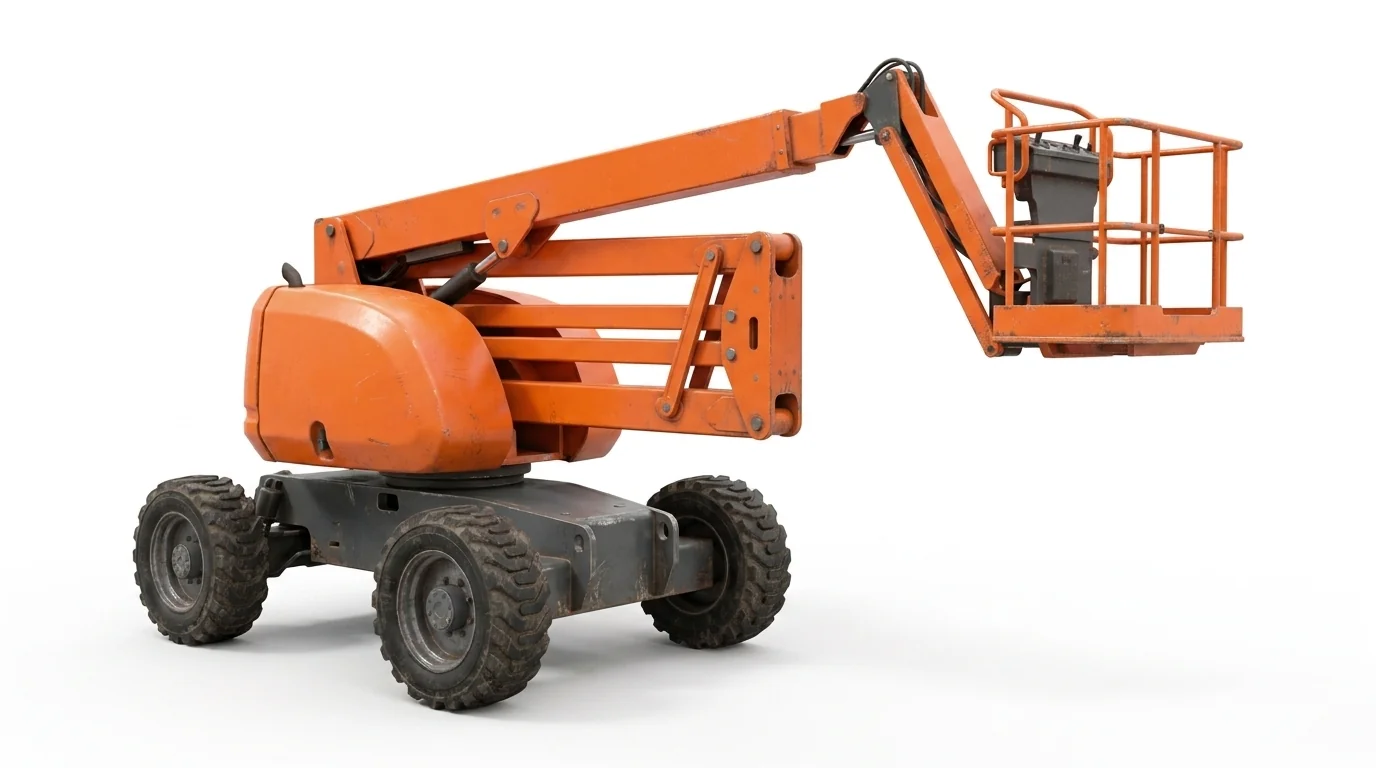
- Up-and-over around obstacles: Articulating booms navigate signage, canopies, rafters, and tree limbs when the base must stand back.
- Long, high, and direct lines: Telescopic booms provide straight reach to remote faces, lighting poles, or roof edges.
Riverside considerations that change the pick
- Logistics interiors: Narrow aisles and polished floors favor compact electric scissors with non-marking tires. See /electric-scissor-lift-rental/.
- Historic facades: Delicate masonry and setbacks often demand articulating booms for careful positioning while keeping the base off sensitive surfaces. See /boom-lift-rental/.
- Outdoor edges: Rocky approaches and unfinished pads suggest rough-terrain scissors or booms with suitable tires. Compare with /rough-terrain-scissor-lift-rental/.
- Heat: High summer temperatures can affect electric runtime and hydraulic performance; schedule windows and charging access accordingly.
Clearance and access checkpoints
- Doorways, gates, and curb cuts determine what reaches the work zone.
- Overhead obstructions—pipes, beams, signage—dictate whether vertical-only movement works or if up-and-over articulation is necessary.
- Setback distance from building faces determines whether a straight or articulated path makes sense.
Blended project plans
Some Riverside tasks split between interior maintenance and exterior lighting in the same shift. Using a scissor inside and a boom outside can reduce repositioning time if access routes are constrained.
Actual conditions, the selected unit’s instructions, and site procedures govern elevated work.